


Transportation insecurity has important consequences for people’s ability to connect to opportunity and flourish. Everyday we are learning more about what causes this hardship, who is experiencing it, how it is impacting people and communities, as well as what interventions are effectively moving people to transportation security.

-

Unpacking living without driving: Travel modes, barriers, and transportation insecurity among nondrivers in Washington State, USA
In a study published in Cities researchers used the TSI-16 alongside interviews to understand the experience of nondrivers living in Washington State. They find that within their sample, those who use public transit frequently reported higher levels of transportation insecurity while those who relied on their social networks reported lower levels of insecurity. Despite such lower insecurity, the researchers found that relying on social networks had tradeoffs: over half of respondents reported sometimes or often worrying about inconveniencing their friends and family for rides.
-

Access to Healthcare: How Transportation Challenges Affect Chronically Ill Populations in Dallas, TX, and Detroit, MI
Research published in Sustainability using the TSI-6 finds that people with chronic health conditions are more likely to experience both marginal and high transportation insecurity compared to those without chronic health problems. The findings highlight the transportation burdens that can exist for those who require frequent medical visits and healthcare management.
-

Transportation Insecurity, Chronic Illnesses, and Healthcare Access: Associations with Telehealth Utilization, Homecare Visits, and Well-Being
Using the TSI-6 to examine the relationship between transportation insecurity, chronic health, healthcare access challenges, and the utilization of alternative healthcare delivery models, research published in Healthcare found that transportation insecure people were 4.7 times more likely to receive homecare services than those who are transportation secure. Transportation insecurity was also associated with greater telehealth utilization.
-
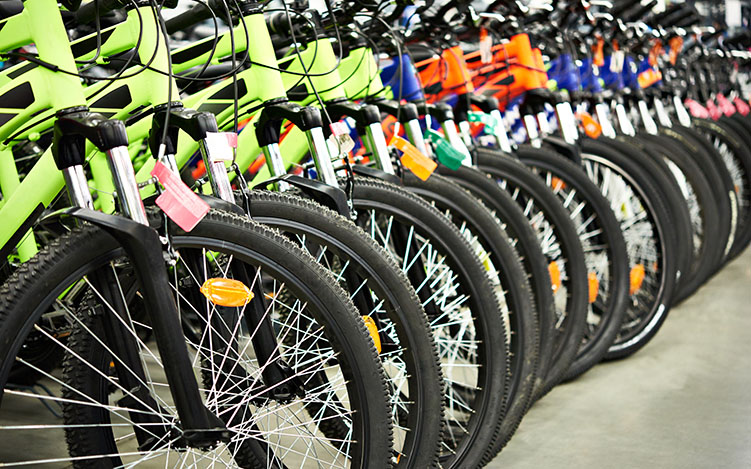
Evaluating the Impact of E-Bicycle Incentives in Raleigh
The City of Raleigh’s e-bike voucher program allocated, via a lottery, 150 vouchers to a random group of residents in an effort to support e-bike adoption. Drawing on a natural experiment design, an evaluation of the pilot shows that not only were voucher holders more likely to acquire an e-bike and increase their daily cycling trips than those who did not receive a voucher, but also that transportation insecurity decreased significantly among voucher recipients.
-
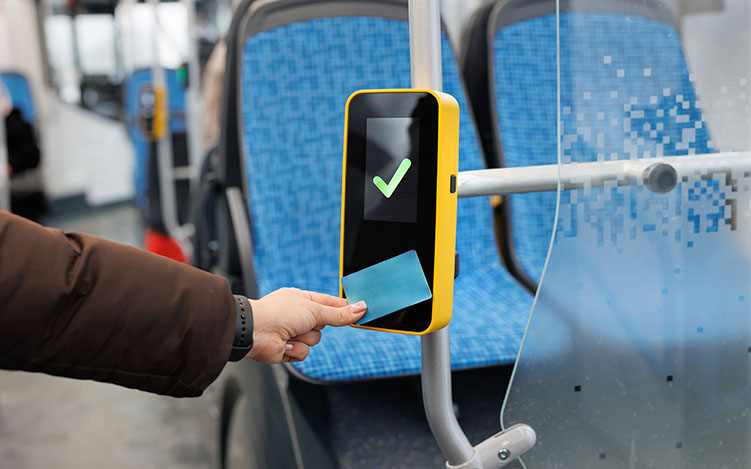
Evaluating the Impact of a Universal Basic Mobility Wallet on Transportation Insecurity in South Los Angeles
In a partial randomized control trial of universal mobility wallets, the Los Angeles County Metropolitan Transportation Authority (LA Metro) provided roughly 1,000 residents with prepaid debit cards loaded with $150 in transportation funds/month for one year. Funds could be used to pay for transit, carsharing, car rentals, ride hailing, bicycle and scooter sharing, among other things. An evaluation of the pilot shows that the program had a statistically significant impact on reducing transportation insecurity among participants, contributed to people increasing their travel to different destinations, and gave participants greater financial freedom to use money they would have spent on transportation to instead use on food and rent.
-
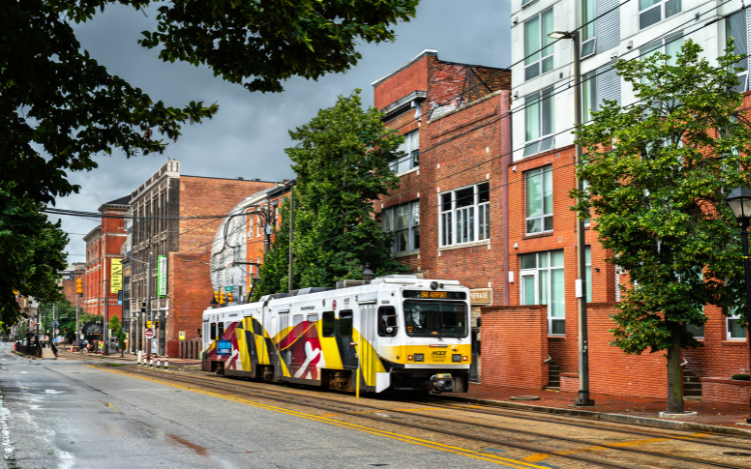
2025 Baltimore Area Survey shows transportation insecurity rates rebounding to higher levels after declining in previous years
Johns Hopkins’ Baltimore Area Survey is the first to include the TSI on 3 consecutive survey waves, enabling them to track changes in transportation insecurity over time. Findings from the 2025 survey reveal that after declining in 2024, rates of transportation insecurity in Baltimore increased to their 2023 levels, a trend that parallels changes to food insecurity rates during this same per
-

Development and validation of a 3-item Transportation Security Index for social risk screening assessments and research into the many pathways through which transportation impacts health
In this methodological article published in AJE Advances: Research in Epidemiology, the developers of the Transportation Security Index (TSI) use statistical approaches and content expert feedback to identify an abbreviated TSI composed of 3 questions (TSI-3). The TSI-3 was then validated using nationally representative data that included a split ballot experiment. Results show that the TSI-3 is an effective substitute for longer versions of the TSI and takes less time to complete. However, rather than being able to identify categories of insecurity like its longer predecessor, the TSI-3 can only distinguish between those who are transportation secure vs those experiencing transportation insecurity.
-
Studying the impact of E-bike vouchers on transportation insecurity in Washington, D.C.
Using a randomized control trial, the District Department of Transportation (DDOT) in Washington, D.C. evaluated their 2025 e-bike rebate program’s impact on transportation insecurity. Findings from the study demonstrate that the program decreased participants’ transportation insecurity (thereby moving them towards great transportation security), findings that were statistically significant. These results provide evidence that subsidizing the use of e-bikes may be one way to effectively address transportation insecurity in urban contexts like that found in D.C.
-

TSI used to collect data on transportation insecurity among older adults in the U.S.
An article published in Transport and Health is the first to report findings on transportation insecurity among older adults in the U.S. Using the 16-question Transportation Security Index and an original survey of adults 60 years and older in Clark County, Nevada, researchers at the University of Nevada found that early 1 in 4 adults in their sample experience transportation insecurity and that transportation insecurity was associated with income, age, and disability.

New Hampshire is one of the fastest-aging states in the country. The TSI is giving us, for the first time, a way to gather local, nuanced data about transportation insecurity and unmet transportation needs, especially as more residents age in place here. That’s going to be essential to effective planning and investment moving forward.
JEN BUTEAU
Impact Consulting, which is using the TSI in a statewide assessment in partnership with the New Hampshire State Commission on Aging.