Johns Hopkins’ Baltimore Area Survey is the first to include the TSI on 3 consecutive survey waves, enabling them to track changes in transportation insecurity over time. Findings from the 2025 survey reveal that after declining in 2024, rates of transportation insecurity in Baltimore increased to their 2023 levels, a trend that parallels changes to food insecurity rates during this same per

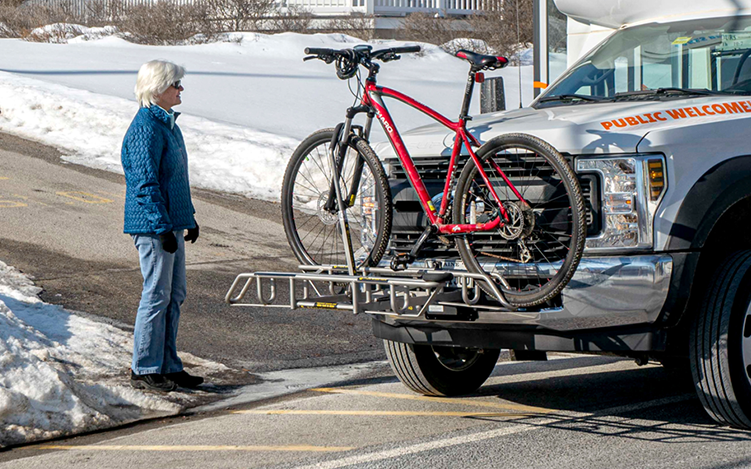
How Transportation Barriers are Hurting Maine and How We Move Forward
Report from Moving Maine shows that in 2024, 2 in 5 Mainers experienced transportation insecurity with rates being notably high among people between 18-24 years of age and those with disabilities. Report details the association between transportation insecurity and economic opportunity, health, and social isolation.
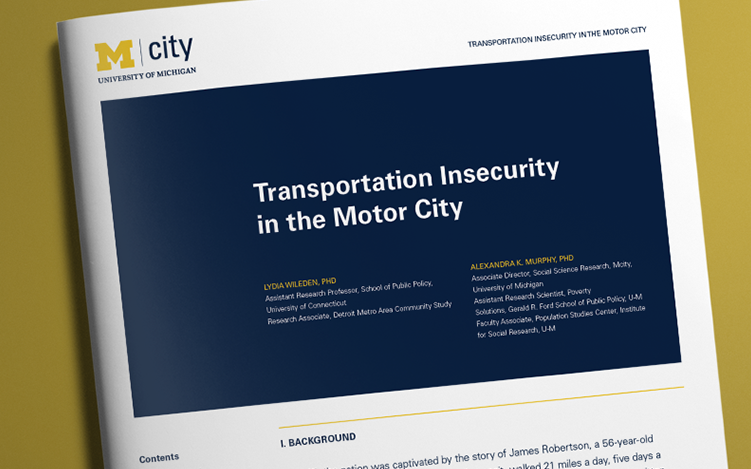
Transportation Insecurity in the Motor City
White paper examining what transportation insecurity looks like in Detroit, including its prevalence and its relationship to mode use and transportation costs. Findings show 1 in 3 Detroiters experienced transportation insecurity in 2023.
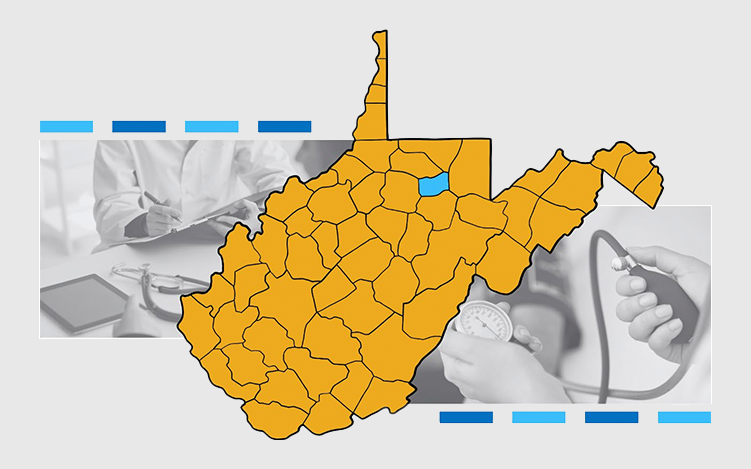
Grafton County West Virginia Community Health Needs Assessment
Findings show that residents with incomes below $49,999 are significantly more likely than those with higher incomes to report skipping trips, rescheduling appointments, not being able to leave the house, and having their relationships impacted because of problems with transportation.
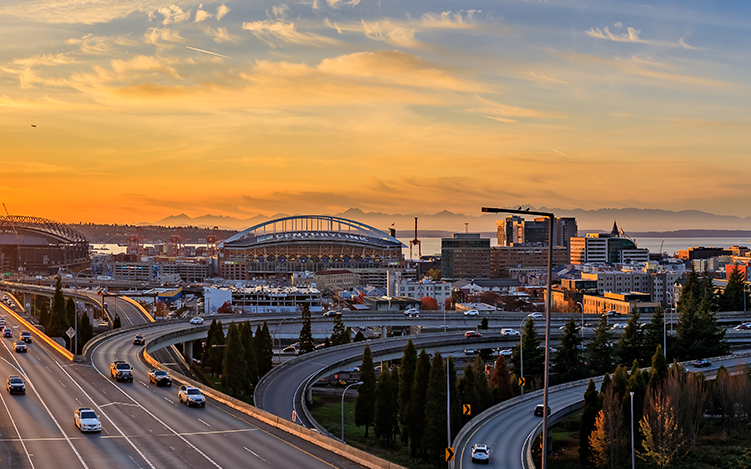
Regional Mobility Survey for Priority Populations: King, Pierce, and Snohomish Counties (Washington)
A report examining transportation insecurity among priority populations in King, Pierce, and Snohomish Counties shows that 1 in 5 surveyed experience transportation insecurity and nearly half of respondents with a disability and nearly half of those with low incomes experience moderate/high insecurity.
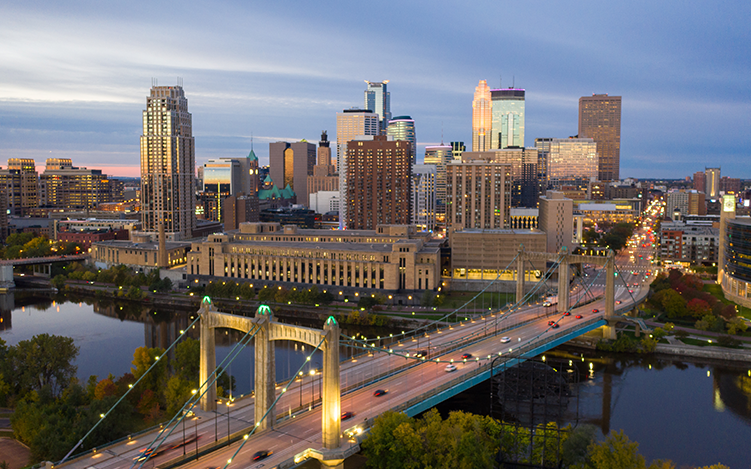
Minnesota Department of Transportation Omnibus Public Opinion Survey
Survey results examining what transportation insecurity looks like in Minnesota, including how it relates to perceptions around the work of MnDOT. Findings show that 26% of Minnesotans experience transportation insecurity.
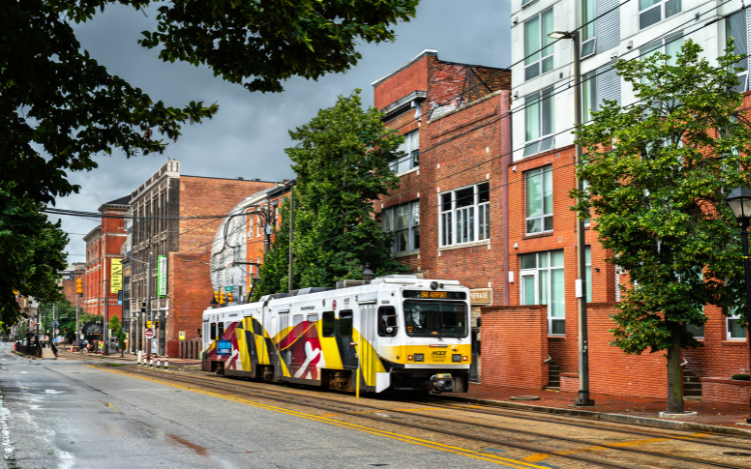
A Portrait of Baltimore
Results show that one third of Baltimore-area residents experienced at least one symptom of transportation insecurity, with residents in the city more likely to experience such symptoms than those in the county. Residents of color were two times more likely to experience at least one symptom than White residents, a pattern that was consistent across the city and the county.