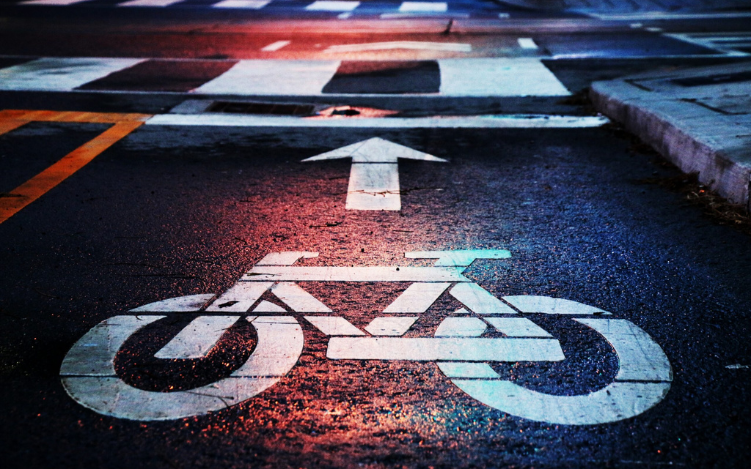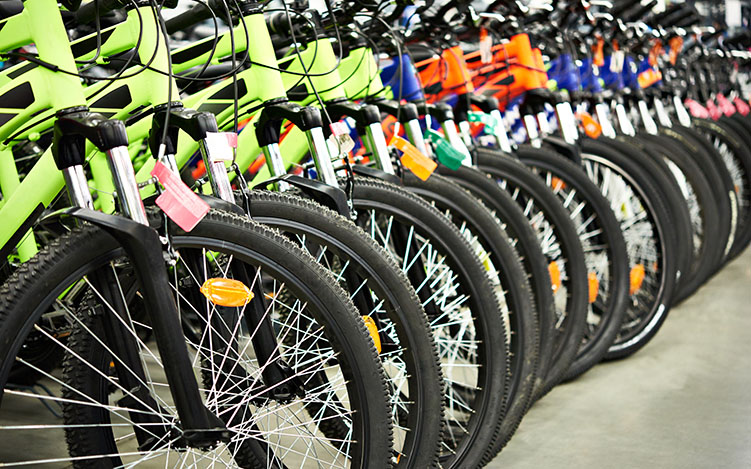
The City of Raleigh’s e-bike voucher program allocated, via a lottery, 150 vouchers to a random group of residents in an effort to support e-bike adoption. Drawing on a natural experiment design, an evaluation of the pilot shows that not only were voucher holders more likely to acquire an e-bike and increase their daily cycling trips than those who did not receive a voucher, but also that transportation insecurity decreased significantly among voucher recipients.

Evaluating the Impact of a Universal Basic Mobility Wallet on Transportation Insecurity in South Los Angeles
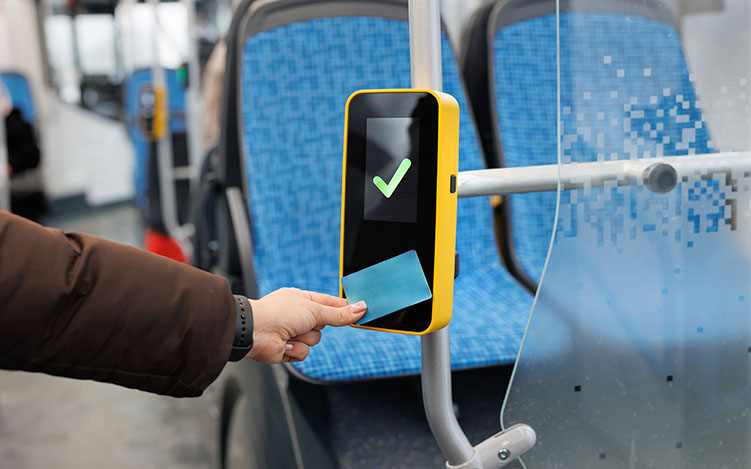
In a partial randomized control trial of universal mobility wallets, the Los Angeles County Metropolitan Transportation Authority (LA Metro) provided roughly 1,000 residents with prepaid debit cards loaded with $150 in transportation funds/month for one year. Funds could be used to pay for transit, carsharing, car rentals, ride hailing, bicycle and scooter sharing, among other things. An evaluation of the pilot shows that the program had a statistically significant impact on reducing transportation insecurity among participants, contributed to people increasing their travel to different destinations, and gave participants greater financial freedom to use money they would have spent on transportation to instead use on food and rent.
Studying the impact of E-bike vouchers on transportation insecurity in Washington, D.C.
Using a randomized control trial, the District Department of Transportation (DDOT) in Washington, D.C. evaluated their 2025 e-bike rebate program’s impact on transportation insecurity. Findings from the study demonstrate that the program decreased participants’ transportation insecurity (thereby moving them towards great transportation security), findings that were statistically significant. These results provide evidence that subsidizing the use of e-bikes may be one way to effectively address transportation insecurity in urban contexts like that found in D.C.
An Assessment of Data, Tools, and Metrics for Equity in Decisions About Surface Transportation Investments
A 2025 consensus study of the National Academies of Sciences, Engineering and Medicine on data, tools, and metrics for making fair decisions on surface transportation investments evaluates the Transportation Security Index. Conclusions of the study include a recommendation that Congress and the U.S. Department of Transportation fund (1) the pilot testing of tools like the TSI to measure transportation insecurity and (2) the evaluation of the impact of transportation investments on transportation insecurity using such successfully piloted tools.
Opportunities to Improve Patient Transportation Access: Piloting a Transportation Resource Fair with the Saban Community Clinic
Findings from a pilot conducted by the University of Los Angeles’ Lewis Center for Regional Studies showed that although patients who attended a transportation resource fair at the Saban Health Clinic faced numerous transportation barriers in accessing health care, the average transportation insecurity score among those surveyed indicated low insecurity. This data suggests that those with higher insecurity were not able to attend the event. Strategies for reaching patients, including those with high insecurity, are discussed.
Evaluation of the South Bend’s Free Transportation Benefits Program
In 2021 the City of South Bend, in partnership with the United Way, launched the Community Nonprofit Partner Program (CNPP). An expansion of the city’s Commuter Trust Program, CNPP provides free transportation benefits (bus passes, ride shares) to clients of local social service providers.. An evaluation of the program shows that, among other findings, the transportation insecurity of program participants improved by 19.6% up to six months after enrolling in the program, demonstrating the program’s effectiveness in improving participants’ overall transportation situation.
Economic Justice is Disability Justice
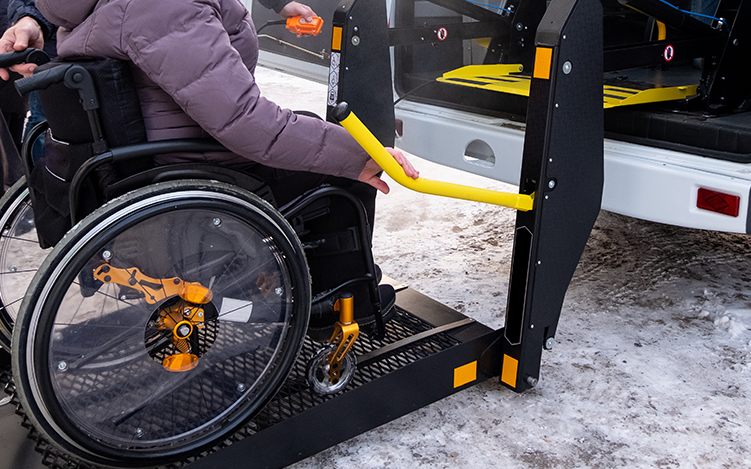
Using 2018 nationally representative survey data of adults over 25 in the U.S., findings detailed in a report from the Century Foundation’s Disability Economic Justice Collaborative highlight that people with disabilities were more than twice as likely to experience any transportation insecurity than those without disabilities. Further, while 1 in 6 people with disabilities experienced the most severe form of insecurity, fewer than 1 in 16 people with disabilities did.